
 English
 中文简体
 Español
 عربى
 русский

News
Provide you with the latest enterprise and industry news

Provide you with the latest enterprise and industry news
Content
Irrigation systems have evolved significantly over the years, moving from basic manual systems to advanced automated setups. A key component of modern irrigation systems is the irrigation solenoid valve, a device responsible for controlling the flow of water through the system. Understanding its role in a sprinkler system is crucial for optimizing both the performance and efficiency of the system. In this section, we will break down the function of the irrigation solenoid valve, its operation, and why it is considered an indispensable part of contemporary sprinkler systems.
At the core of every modern sprinkler system is the irrigation solenoid valve, which serves as the gateway through which water flows to the sprinklers. When activated, the valve opens, allowing water to pass through and irrigate the landscape. When deactivated, the valve closes, stopping the flow of water. This on-off mechanism is fundamental to an automated system, enabling it to operate on a pre-set schedule without human intervention.
The solenoid valve is usually controlled by a controller or timer, which sends electrical signals to the solenoid to either open or close the valve. In an automated system, the solenoid valve responds to signals sent from a central irrigation controller, which typically includes timers, moisture sensors, and weather-based controllers. These devices work together to ensure the system only activates when necessary, optimizing water usage and maintaining healthy landscapes.
Understanding the inner workings of an irrigation solenoid valve is essential for appreciating its role in the sprinkler system. The valve consists of several key components: the solenoid coil, plunger, spring, valve body, and inlet/outlet ports.
The solenoid coil is an electromagnet that, when energized, creates a magnetic field. This magnetic field is used to move the plunger—a metal rod—within the valve body. The plunger is connected to a sealing mechanism that either blocks or opens the water flow. When the solenoid coil is energized, the magnetic force moves the plunger, pulling it away from the sealing area, allowing water to flow freely through the valve. When the solenoid coil is de-energized, the spring pushes the plunger back into place, closing off the water flow.
The spring serves to ensure that the valve returns to its closed position when the solenoid is not energized. This mechanism is crucial because it prevents water from flowing unnecessarily and keeps the system tightly controlled. The valve body houses all these components and is typically made of durable materials like brass, PVC, or stainless steel to ensure longevity and resistance to corrosion.
One of the major advantages of using an irrigation solenoid valve in modern sprinkler systems is the automation it enables. Traditionally, sprinkler systems required manual activation and deactivation, making them inefficient and prone to human error. Automated systems, powered by solenoid valves, eliminate the need for such manual intervention, providing several benefits.
Automated irrigation systems rely on timers, which control when the solenoid valves open and close. This setup allows for scheduled watering based on specific times of the day, ensuring that plants receive water when they need it most. Additionally, the solenoid valve can be paired with soil moisture sensors and weather sensors, which adjust watering schedules based on actual environmental conditions. For example, if the soil is already wet from recent rainfall, the system can skip a watering cycle, reducing water waste.
Furthermore, automation ensures that each section of the lawn or garden is watered evenly. With the use of solenoid valves, it is possible to divide the area into zones, each with its own solenoid-controlled valve. This allows different parts of the landscape to be watered with different schedules, depending on factors such as plant type, soil type, and sunlight exposure.
An irrigation solenoid valve also provides precise control over the water flow and pressure within the sprinkler system. Modern solenoid valves are designed to handle a range of water pressures and flow rates, allowing the system to deliver optimal water distribution.
The ability to control water flow is especially important in systems with multiple zones, as some areas may require more water than others. For example, areas with sandy soil or plants that need more water can be given extra watering time, while drier areas can receive less. Solenoid valves are crucial for fine-tuning these adjustments, ensuring that each zone receives just the right amount of water, thus improving water efficiency and the overall health of the landscape.
In addition to regulating water flow, solenoid valves also control the pressure within the system. Pressure regulation is important for preventing damage to sprinklers and other system components. An excess of pressure can lead to leaks, inefficiencies, and even broken components. Solenoid valves help to maintain consistent pressure, optimizing the performance and lifespan of the system.
As technology continues to evolve, the integration of irrigation solenoid valves with smart irrigation systems has become increasingly popular. Smart irrigation systems use advanced technologies like wireless communication, weather forecasts, and remote monitoring to optimize water usage further.
By integrating the solenoid valve with a smart controller, users can manage their irrigation system remotely via smartphones, tablets, or computers. This allows for greater flexibility and control over watering schedules, making it easier to adjust irrigation times in response to changing weather conditions or to troubleshoot any issues with the system. For example, a smart controller might automatically turn off the solenoid valve when it detects rain, ensuring that water is not wasted on a rainy day.
Smart irrigation systems are particularly beneficial in large residential properties, commercial landscapes, and agricultural applications. They help save time and reduce the need for constant manual adjustments, making them ideal for busy homeowners or commercial property managers.
The introduction of zones in an irrigation system, controlled by multiple solenoid valves, provides another significant advantage. Zoning allows for more customized irrigation, as different parts of the landscape can be watered according to their specific needs.
For example, lawns, flower beds, and vegetable gardens may all require different watering schedules. An irrigation solenoid valve is used to control the flow of water to each zone independently. This zoning capability ensures that areas with different water requirements, such as shaded spots versus sun-exposed areas, are treated accordingly.
This control over zoning not only ensures optimal water usage but also promotes plant health. It prevents overwatering or underwatering, both of which can damage plants and waste water. Additionally, zoning helps to avoid runoff or pooling, which can occur when the sprinklers are not properly timed or calibrated. By using solenoid valves to regulate water flow in specific zones, gardeners can achieve healthier, more vibrant landscapes.
Another important role of the irrigation solenoid valve in modern sprinkler systems is the reduction of maintenance costs. Because these valves are durable and reliable, they reduce the likelihood of system failures, leaks, and other issues that often arise in older, manual irrigation systems.
Manual systems, which require frequent manual adjustments and monitoring, tend to wear out quickly due to human error, inconsistent pressure, and exposure to the elements. On the other hand, solenoid valves are built to withstand these challenges and perform reliably over long periods. They also require less maintenance compared to manual valves, as they do not have as many moving parts and do not need to be operated manually.
In the event of a malfunction, solenoid valves are easier to troubleshoot and repair. A malfunctioning valve can usually be identified quickly through the system's control panel, and in many cases, a simple cleaning or replacement of the valve components is sufficient to restore function.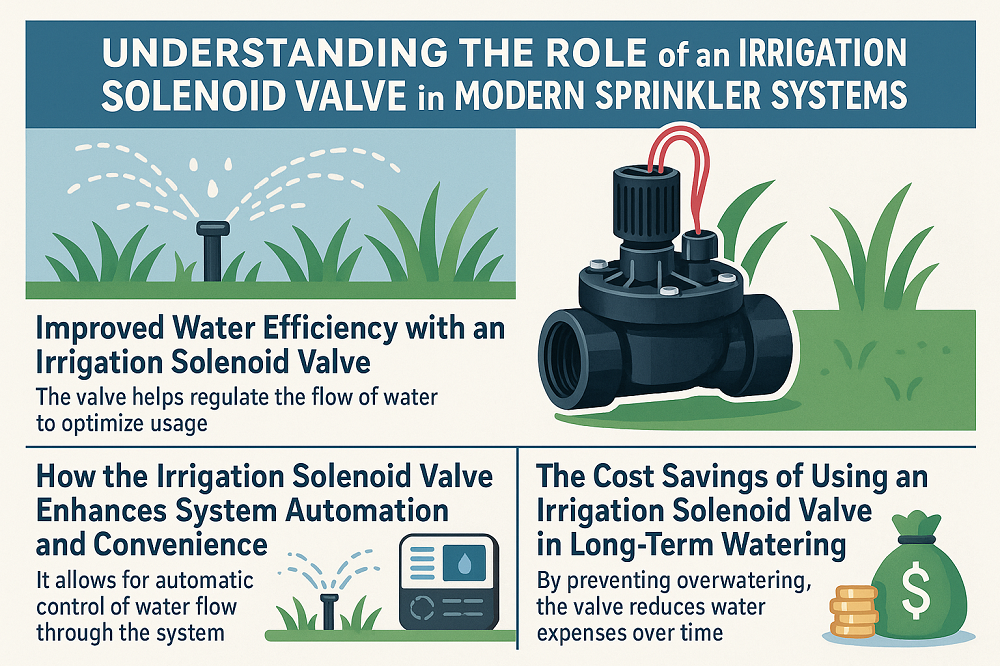
Water conservation has become a critical issue in both residential and agricultural landscapes. Traditional irrigation methods often resulted in water waste due to inefficiency, improper scheduling, and overwatering. The introduction of the irrigation solenoid valve into sprinkler systems has significantly improved water conservation practices by providing precise control over water distribution. By enabling automation, improving system efficiency, and optimizing water use, the solenoid valve has become a pivotal component in modern irrigation systems. This section will explore how an irrigation solenoid valve contributes to conserving water, ensuring that irrigation systems are not only effective but also environmentally responsible.
One of the primary benefits of incorporating an irrigation solenoid valve in a sprinkler system is its role in enabling automation. Automated systems are specifically designed to optimize water usage by ensuring that the sprinkler system operates only when necessary. Traditional irrigation systems, whether manually operated or simple timed devices, often result in water wastage due to mismanagement, such as overwatering or watering during inappropriate times. Irrigation solenoid valves, when paired with modern controllers and sensors, help minimize this wastage by automating the operation of the system.
For instance, automated systems can be programmed to activate the valve at times when evaporation is minimal—early morning or late evening—thereby reducing the loss of water to the atmosphere. Moreover, smart controllers can be integrated with weather sensors to detect rainfall or changes in humidity levels. When the solenoid valve is connected to a smart system, the sprinklers can automatically skip watering cycles when rain is detected, saving significant amounts of water. This system ensures that water is applied only when required, significantly reducing unnecessary water usage.
Zone control is another significant advantage of an irrigation solenoid valve that contributes to water conservation. Modern sprinkler systems use a zoning method to divide large areas into smaller sections, each with a solenoid-controlled valve. These valves are activated independently, allowing the sprinkler system to target specific areas based on their needs. For example, lawns, flower beds, and vegetable gardens often require different amounts of water. An irrigation solenoid valve ensures that each zone is watered according to its specific water needs, preventing overwatering of areas that do not require as much moisture.
Without zone control, entire areas might be irrigated uniformly, even if certain zones—such as those in shaded regions or those with drought-resistant plants—do not require as much water. By using solenoid valves to create distinct watering schedules for each zone, water is directed where it is most needed, ensuring efficient use of resources. Additionally, pressure regulation is easier to manage in zoned systems, which helps avoid excess water being pushed through areas that are already sufficiently watered.
Another significant development in water conservation within modern irrigation systems is the use of soil moisture sensors in combination with the irrigation solenoid valve. Soil moisture sensors measure the moisture levels in the soil, providing real-time data about whether the area requires irrigation. When integrated with an automated irrigation system and the solenoid valve, these sensors allow for precise control over the watering process, ensuring that water is only used when the soil moisture falls below a certain threshold.
This integration reduces the risk of overwatering, which is a common issue in manual systems. Overwatering can lead to waterlogging, erosion, and the depletion of water resources, all of which negatively impact the environment. By using a soil moisture sensor to trigger the activation of the solenoid valve, water conservation is maximized, and plants receive the precise amount of water they need for optimal growth. This approach minimizes water waste and reduces the system's overall water consumption, leading to more sustainable practices in both residential and commercial irrigation.
The ability to adjust irrigation schedules based on weather conditions is a significant advantage of using an irrigation solenoid valve. Smart irrigation systems, which are equipped with weather-based controllers and connected to the solenoid valves, have the capability to adjust watering schedules in real time, based on local weather forecasts. For example, if the forecast predicts rain, the system can skip the scheduled irrigation cycle, preventing unnecessary watering and reducing water waste.
Similarly, these systems can monitor temperature, wind speed, and humidity to determine the optimal amount of water required for a specific area. Weather stations or rain sensors are often used in conjunction with the solenoid valve to provide data to the system, enabling it to adjust watering accordingly. By synchronizing the irrigation schedule with local weather conditions, these systems ensure that water is applied at the most appropriate times, helping to conserve water by preventing watering during rainfall or excessively hot conditions, which can cause rapid evaporation.
Water pressure regulation is another critical factor in conserving water in irrigation systems. If the pressure is too high, water is distributed too rapidly, leading to runoff and waste. Conversely, low pressure may cause uneven watering, leading to under-irrigation in some areas. The irrigation solenoid valve plays a key role in managing water pressure within the system, ensuring that water is distributed evenly and efficiently across the landscape.
Most irrigation solenoid valves are designed to handle varying levels of pressure, helping to maintain consistent water distribution and preventing wastage. In systems with multiple solenoid-controlled zones, pressure can be adjusted to meet the needs of each zone. This level of control helps optimize water use and prevents water loss due to poorly distributed pressure. Furthermore, by regulating pressure at the valve level, the system is less likely to experience leaks or drainage, which can contribute to water wastage.
Overwatering is a common issue in many irrigation systems, particularly when systems lack precise control over the flow of water. Irrigation solenoid valves address this issue by controlling the exact amount of water flowing into each section of the system. With the use of timers, soil sensors, and weather stations, the solenoid valve ensures that water is delivered in the right quantities, minimizing the risk of overwatering.
Runoff occurs when the soil becomes saturated and water begins to flow off the surface, often ending up in storm drains or gutters, instead of being absorbed by the soil. This is a significant waste of water, as it means that the water is not contributing to plant growth. By using solenoid valves that work with moisture sensors to adjust irrigation times and quantities, the risk of runoff is reduced. The system can slow down watering or stop it altogether if the soil is already sufficiently moist, preventing unnecessary water loss.
Not all plants have the same water requirements. Some areas may contain drought-resistant plants that require minimal irrigation, while others may have high-water-demand plants, such as grass or certain types of flowers. The irrigation solenoid valve provides flexibility in addressing these varying water needs by allowing for customized watering schedules for different zones or plant types. This ensures that water is not wasted on plants that do not need it, while areas with higher water requirements receive adequate irrigation.
By dividing the system into different zones and attaching solenoid valves to each, you can tailor the amount of water each section receives based on its needs. This zoning system allows you to optimize water usage for each type of plant, preventing overwatering in areas with low water requirements and ensuring sufficient moisture for high-water-demand plants.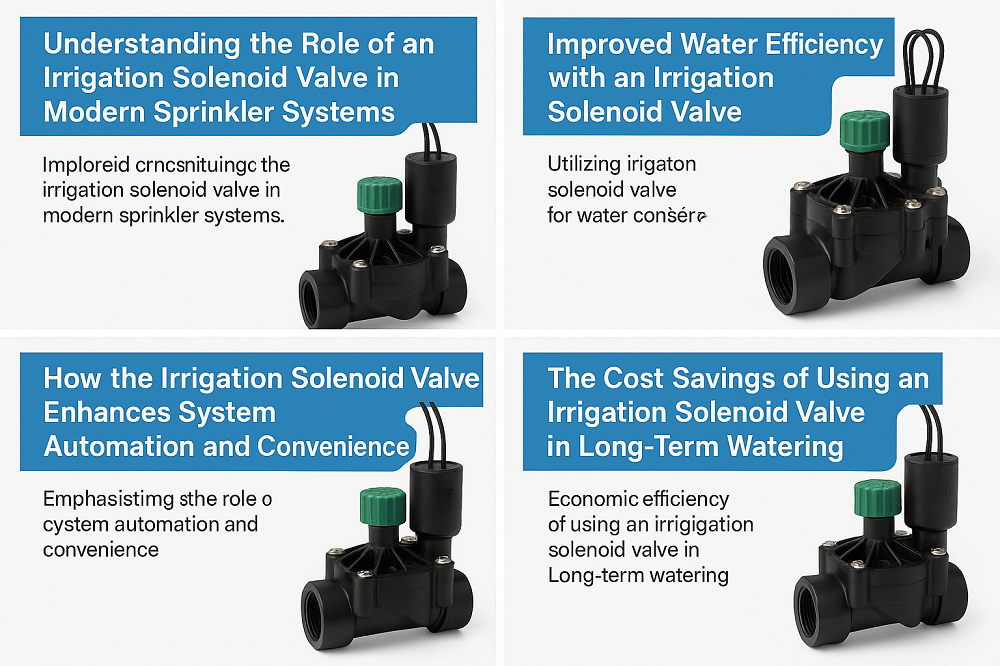
The efficiency of an irrigation system is paramount for ensuring optimal plant health, minimizing water usage, and reducing overall operational costs. An irrigation solenoid valve is a crucial component that directly influences the performance of the system. By providing precise control over the flow of water, these valves help improve the system’s efficiency, reducing water wastage, energy consumption, and wear on system components. This section will explore how the irrigation solenoid valve enhances irrigation system efficiency in terms of water management, system longevity, energy use, and maintenance.
One of the most significant factors in determining the efficiency of an irrigation system is how well the water is managed. Irrigation solenoid valves play a pivotal role in controlling the flow rate and timing of water delivery. Without this precise control, systems tend to waste water, either by overwatering or under-watering certain areas. In an automated system, the solenoid valve is used to regulate the flow of water to each specific zone based on its unique needs.
Water conservation is enhanced through the solenoid valve's ability to control irrigation at the individual zone level. Each zone can be activated independently depending on the plant requirements, soil conditions, and environmental factors. For example, lawns may need more frequent watering than flower beds, and vegetable gardens may require different water quantities altogether. By using a solenoid valve, it is possible to direct water only to the areas that need it, eliminating unnecessary watering in other parts of the landscape.
By avoiding overwatering, the solenoid valve ensures that water is distributed only when it is needed, thereby significantly reducing water wastage. This precision is essential not just for maintaining plant health but also for conserving water, an increasingly important resource in many parts of the world. In areas experiencing drought or water shortages, the precise control offered by the irrigation solenoid valve can play a critical role in minimizing water consumption without compromising the health of the landscape.
An efficient irrigation system is one that is not only capable of distributing water effectively but also one that operates reliably for an extended period. The irrigation solenoid valve contributes to system longevity by preventing overuse and reducing wear on other components of the irrigation infrastructure. Without proper water control, components such as sprinklers, pipes, and fittings can experience excessive wear, leading to frequent repairs and replacements.
When an irrigation system lacks precise control, the water pressure can fluctuate, causing stress on system components. For example, high water pressure may cause sprinklers to spray water too quickly, leading to uneven distribution and potential damage to the sprinkler heads. Similarly, excessive pressure can cause leaks in pipes and joints. A solenoid valve helps regulate the pressure within the system, ensuring that water is distributed evenly and preventing pressure-related damage. This results in reduced wear and tear, fewer repairs, and lower long-term maintenance costs.
Moreover, by controlling the timing of the irrigation cycles, solenoid valves help prevent overwatering, which can lead to soil erosion and root damage. Overwatering can also cause waterlogging in the soil, which can result in root rot and other plant diseases. These issues can severely impact plant health and require costly interventions to restore the landscape. By ensuring that water is delivered in the right amounts at the right times, the solenoid valve reduces the likelihood of these problems, enhancing the system’s longevity.
The incorporation of the irrigation solenoid valve into a fully automated system is one of the most significant factors contributing to the overall efficiency of modern irrigation systems. Automation eliminates the need for manual intervention, reducing the potential for human error, and ensuring that the system operates consistently and effectively.
In a manual irrigation system, human operators must turn the water on and off and adjust flow rates based on weather conditions, time of day, and other variables. This process is prone to mistakes, such as watering too much or too little, watering at inappropriate times (such as during the heat of the day), or forgetting to turn the system off. These mistakes can waste water and lead to plant stress, further decreasing the efficiency of the system.
With an automated system using solenoid valves, these tasks are handled by a controller, which can be set to operate the system on a predetermined schedule. Advanced controllers are capable of adapting to changes in the weather, adjusting irrigation schedules in real-time based on weather forecasts or rain sensors. These systems can also integrate with soil moisture sensors to ensure that the system only activates when the soil needs water. Automation removes the inconsistency of manual irrigation, helping the system run more efficiently and with fewer mistakes.
By reducing the need for manual adjustments, automation also reduces the chances of human error, which often leads to unnecessary water use. The solenoid valve acts as the crucial mechanism that enables this automation, allowing the system to run smoothly without constant human oversight.
Watering a large landscape or an agricultural area requires a significant amount of energy, whether it’s to pump water from a well, run a water treatment plant, or power the irrigation system itself. Irrigation solenoid valves can help reduce energy consumption in irrigation systems by providing more control over the flow and timing of water delivery.
When irrigation systems are inefficient, they tend to run for longer periods or with higher water pressure than necessary, increasing energy costs. For example, running a system with excess pressure or longer irrigation cycles leads to higher pump energy consumption. The irrigation solenoid valve, by regulating water pressure and ensuring that water is distributed only to the necessary zones, helps reduce the operational time of the system, cutting down on overall energy consumption.
In addition to reducing the operational time, solenoid valves allow for smart scheduling, ensuring that water is delivered at times when energy demand is lower (such as during the night). This can help further reduce the energy costs associated with running an irrigation system. Moreover, by minimizing the risk of water loss, the system ensures that the energy spent on pumping and delivering water is used efficiently.
The integration of the solenoid valve with energy-efficient components like pressure-reducing valves and variable-speed pumps further enhances the overall energy efficiency of the system. These features, when combined, create a more sustainable irrigation system that reduces both water and energy waste, lowering operational costs in the long run.
Water runoff and soil erosion are significant challenges in many irrigation systems, especially in areas where the landscape is sloped or the soil does not absorb water efficiently. Runoff occurs when water is applied too quickly or in excess, overwhelming the soil’s ability to absorb it. This can result in wasted water, soil erosion, and potential damage to surrounding areas.
The irrigation solenoid valve plays a key role in preventing runoff by regulating the water flow to each zone based on the soil’s absorption rate. In systems without solenoid valves, water may be delivered too quickly, leading to excess water running off the surface before it can be absorbed. Solenoid valves, however, ensure that water is distributed gradually and at the right flow rate, allowing the soil to absorb it properly.
In addition to controlling flow, solenoid valves can be integrated with moisture sensors to monitor soil conditions in real-time. If the soil is already saturated, the system can automatically adjust the flow or skip a cycle altogether, reducing the risk of waterlogging and erosion. This ensures that the system delivers water in a manner that is both efficient and sustainable, helping to preserve soil health and prevent erosion.
Investing in an irrigation solenoid valve is an investment in long-term efficiency and cost-effectiveness. While the initial cost of installing solenoid valves and automated controllers may seem higher than manual systems, the long-term savings far outweigh the upfront expenses. Through improved water conservation, reduced energy consumption, and lower maintenance costs, solenoid valves offer a strong return on investment.
As mentioned, solenoid valves help ensure that water is used only when necessary, which reduces water bills for residential and commercial customers. Additionally, because solenoid valves prevent overwatering and ensure efficient irrigation, they help maintain healthy plants, reducing the need for costly repairs or replacements due to overwatering, erosion, or disease. The energy savings from more efficient watering cycles also contribute to the system’s cost-effectiveness, making it a smart investment for property owners, municipalities, and agricultural operations.
Furthermore, the reduction in maintenance and repairs due to wear and tear on system components means that the system is more cost-effective in the long run. Solenoid valves help prevent excessive strain on other parts of the system, leading to fewer repairs and a longer lifespan for the system as a whole.
The shift towards automation in irrigation systems has significantly transformed how landscapes and agricultural areas are watered. The introduction of the irrigation solenoid valve has made it possible for systems to operate more efficiently and intelligently, reducing human intervention and ensuring water is applied precisely when and where it’s needed. Smart irrigation systems that utilize solenoid valves can optimize water usage, minimize waste, and respond to dynamic environmental conditions. This section will delve into how the irrigation solenoid valve works within automated systems, the advantages of integrating these valves into smart irrigation systems, and the impact of this technology on water conservation, energy efficiency, and overall system performance.
An irrigation solenoid valve is a key component of any automated irrigation system, controlling the flow of water through the sprinkler system based on preset schedules or real-time environmental inputs. The valve’s function is straightforward but critical: it opens to allow water to flow and closes to stop the flow, all without the need for manual intervention. The solenoid valve operates via an electrical signal from an irrigation controller, which is programmed to turn the valve on or off according to the desired watering schedule.
In an automated irrigation system, solenoid valves are typically connected to a central controller or timer, which governs the overall operation of the system. These controllers are capable of scheduling watering times, adjusting flow rates, and turning valves on and off according to specific rules. This automated approach takes the guesswork and manual effort out of irrigation, ensuring that water is distributed efficiently, and reducing the chances of human error, such as overwatering or forgetting to turn the system off.
The automated nature of the solenoid valve also makes it possible to divide the landscape into different zones, each with its own solenoid valve. Each zone can have independent watering schedules based on the unique needs of the plants and soil conditions in that area. For instance, a flower bed may require more frequent watering than a lawns zone or a shrub area, which can be managed through separate solenoid-controlled zones.
The integration of irrigation solenoid valves with smart controllers is one of the key advancements in modern irrigation systems. Smart controllers are devices that use various forms of data—such as weather forecasts, moisture readings, and real-time environmental conditions—to adjust the watering schedule automatically. These controllers can connect with weather stations, soil moisture sensors, and rain sensors to ensure that watering occurs only when needed, making the system adaptive to changes in the weather.
For example, if the weather forecast predicts rain, a smart controller can adjust the irrigation schedule and prevent the solenoid valves from activating, avoiding unnecessary watering. Similarly, if the system detects that the soil moisture levels are adequate, the controller can skip a scheduled watering cycle, preventing overwatering and conserving water. The irrigation solenoid valve, in this case, responds by opening or closing the valve based on the signal from the smart controller, ensuring that the system operates as efficiently as possible.
The integration of solenoid valves with smart controllers provides the flexibility to implement highly specific watering schedules that are tailored to the unique needs of different areas of the landscape. Zones within the system can have independent settings based on plant type, soil type, and even sun exposure, ensuring that each area is watered optimally, without unnecessary water waste.
One of the greatest advantages of smart irrigation systems is their ability to make real-time adjustments based on changing environmental conditions. The irrigation solenoid valve plays a crucial role in this dynamic process by responding to data inputs from sensors and controllers.
Weather sensors are among the most important sources of information for real-time adjustments. These sensors measure factors such as rainfall, temperature, humidity, and wind speed, and transmit this data to the central controller. The controller then uses this information to make decisions about whether to water, how much water to apply, and when to adjust watering times. For example, if the system detects that it rained the night before, it can delay the next watering cycle, and the solenoid valve will remain closed. Similarly, if the temperature rises or a windstorm is forecasted, the controller might increase watering times to compensate for higher evaporation rates.
Soil moisture sensors are another key component in this process. These sensors measure the moisture content in the soil, helping the system determine whether the plants need additional water. When the soil moisture level drops below a certain threshold, the controller sends a signal to the solenoid valve to open, allowing water to flow to that specific zone. Conversely, when the moisture levels are sufficient, the valve remains closed, preventing unnecessary watering.
Through these real-time adjustments, the irrigation system becomes adaptive—responding instantly to environmental changes and ensuring that water is applied only when necessary. This not only conserves water but also helps maintain plant health by providing them with the right amount of moisture at the right time.
The ability to make data-driven decisions is another key feature of smart irrigation systems that use irrigation solenoid valves. By integrating the solenoid valve with weather data, soil moisture levels, and even plant species requirements, smart systems can optimize water use across the entire landscape.
Data from weather stations can help forecast rain events, ensuring that the system does not water when it’s unnecessary. If a rainstorm is predicted, the system can delay the scheduled irrigation or skip it entirely, saving water. Additionally, historical weather data can be used to forecast watering needs over the course of the year, adjusting for seasonal changes in temperature and precipitation.
Soil moisture sensors provide real-time feedback on the water retention levels in the soil, allowing the system to apply just the right amount of water. This helps avoid overwatering, which can lead to waterlogging, root rot, and nutrient depletion, as well as underwatering, which can stress plants. The integration of these sensors with the irrigation solenoid valve ensures that water is applied only to the areas that need it, while simultaneously reducing waste.
With the use of this real-time data, irrigation systems can operate more efficiently, applying water based on the specific needs of the landscape, rather than relying on arbitrary schedules. This approach increases water use efficiency by ensuring that each zone gets precisely the amount of water it requires, leading to healthier plants and a more sustainable irrigation system.
Another advantage of automated irrigation systems with solenoid valves is the ability to monitor and control the system remotely. Most modern smart controllers offer wireless connectivity, allowing users to access and adjust the irrigation system from their smartphones, tablets, or computers, regardless of their location.
Through mobile apps or web-based platforms, users can control and monitor their irrigation system in real-time. For example, they can turn the system on or off, adjust watering times, and review data on water usage, moisture levels, and weather forecasts. This remote control adds a layer of convenience and flexibility, as users can make adjustments based on unexpected events—such as sudden rainfall or changes in travel plans—without being on-site.
In addition to control, remote monitoring provides insight into the system's performance. Users can receive notifications if the system detects malfunctions, such as a stuck solenoid valve or a leak in the system, and take corrective action before a major issue arises. This level of monitoring not only helps optimize water usage but also ensures that the system operates smoothly, reducing the chances of costly repairs or water waste.
The ability to control and monitor irrigation remotely is particularly beneficial for large residential properties, commercial landscapes, or agricultural operations. It gives property owners and managers the ability to maintain the system efficiently, without having to constantly be present, and ensures that water is distributed effectively.
In advanced smart irrigation systems, the irrigation solenoid valve is often integrated with other smart devices to increase control over the watering process. These devices can include soil temperature sensors, plant health monitors, and water flow meters, which can provide additional layers of data for even more precise irrigation control.
For example, soil temperature sensors can provide data on how quickly the soil is drying out after rain or irrigation. If the soil is still moist enough from recent rain, the system can delay irrigation, preventing unnecessary watering. Plant health monitors can detect signs of stress in plants, such as wilting or yellowing leaves, and adjust watering schedules accordingly.
By integrating multiple smart devices with the irrigation solenoid valve, these systems can make highly informed decisions about when and how much water to apply. This results in more customized irrigation, taking into account not only environmental conditions but also the specific needs of the plants, the soil, and the overall landscape.
The durability and longevity of any irrigation system are crucial factors in ensuring that it operates efficiently over time without the need for frequent repairs or replacements. The irrigation solenoid valve plays a significant role in maintaining the system’s reliability and extending its lifespan. These valves, by design, are intended to handle the pressures and demands of modern sprinkler systems, offering users a dependable and cost-effective solution for irrigation control. This section will explore why irrigation solenoid valves are a reliable investment, emphasizing their construction, material choices, maintenance requirements, and their overall impact on the lifespan of the entire irrigation system.
One of the key factors that contribute to the durability of an irrigation solenoid valve is the materials used in its construction. High-quality solenoid valves are made from durable materials that can withstand the wear and tear of everyday use, exposure to the elements, and the pressure of water flow. The materials used can significantly influence the valve’s resistance to corrosion, pressure tolerance, and longevity.
For example, brass solenoid valves are commonly chosen for their strength and corrosion resistance. Brass is durable and provides excellent resistance to both high pressures and corrosive elements in water. It also resists the effects of outdoor elements like UV radiation and extreme temperatures, which are important factors in maintaining consistent performance over time. In addition to brass, stainless steel solenoid valves are also used for their superior resistance to rust, corrosion, and high-pressure conditions. PVC or plastic valves are often used in less demanding systems, providing a more cost-effective solution while still offering a reasonable level of durability.
By selecting solenoid valves made from these durable materials, irrigation system owners ensure that their system will last for many years, even in challenging environments. The material choice of the valve is essential in providing reliability and long-term performance. Choosing valves made from high-quality materials ensures that the system will not need frequent replacements and that the components will resist environmental damage, reducing the likelihood of failure.
Irrigation systems, especially those used in residential and agricultural landscapes, are exposed to a variety of environmental conditions, including rain, high temperatures, freezing, UV radiation, and dirt or debris accumulation. These external factors can have a significant impact on the performance and longevity of the system components. Irrigation solenoid valves are specifically designed to withstand these harsh conditions.
UV resistance is one of the key features of a solenoid valve that contributes to its durability. Many solenoid valves have housings or components made of materials such as UV-resistant plastic or stainless steel, which protect the valve from the damaging effects of prolonged sun exposure. UV radiation can degrade some materials over time, leading to brittleness and cracking. However, UV-resistant valves maintain their structural integrity and performance even in intense sunlight, making them ideal for outdoor applications where the system will be exposed to the elements year-round.
Another important environmental consideration is freezing temperatures. In areas where temperatures drop below freezing, the water in the irrigation pipes can freeze, causing damage to the solenoid valve and other components of the irrigation system. High-quality irrigation solenoid valves are often equipped with mechanisms that help them resist the effects of freezing. For instance, some solenoid valves are designed to self-drain or incorporate drainage ports to prevent water from remaining inside the valve when it is not in use. This feature reduces the likelihood of frozen water causing cracks or blockages in the valve.
Additionally, the solenoid valve's components are sealed and protected from dirt and debris that may clog the system over time. Solenoid valves designed for outdoor use typically feature weatherproof seals and dust-resistant gaskets that prevent soil, leaves, or other contaminants from entering the valve, maintaining its functionality and extending its lifespan.
The irrigation solenoid valve is designed with low-maintenance requirements, making it a reliable and cost-effective investment for homeowners and landscapers alike. Unlike other mechanical or manual valves, which require frequent adjustments, monitoring, and servicing, solenoid valves typically need minimal attention once installed. Their design allows for automatic operation with very few moving parts, significantly reducing the need for manual intervention.
However, despite their low maintenance requirements, solenoid valves do require occasional care to ensure optimal operation. For instance, the valve's coils may require periodic cleaning to prevent the buildup of minerals, dirt, or other debris that could affect the valve's opening and closing function. The plunger inside the valve may also need to be checked periodically to ensure it moves freely without obstruction. These maintenance tasks are relatively simple and do not require specialized knowledge or tools, which adds to the convenience and longevity of the solenoid valve.
In addition to easy servicing, the durability of the valve’s internal components ensures that it will perform reliably over many years. The spring that controls the valve's opening and closing is built to withstand the constant pressure of water flowing through the system, and the electromagnetic coil is designed to be durable enough to handle the repetitive cycles of activation. With proper care, the solenoid valve can last for several years without significant wear, saving the user time and money on repairs and replacements.
The irrigation solenoid valve plays an important role in preventing issues related to leaks and pressure fluctuations, both of which can contribute to the premature wear of the entire irrigation system. When the valve is not functioning properly, water may leak through the system, leading to excessive water usage, inefficient irrigation, and potential damage to the landscape or the irrigation infrastructure.
The precision of the solenoid valve in controlling the water flow ensures that water is not wasted due to malfunctioning components. Unlike manual valves, which may be difficult to shut off completely or may wear out over time, the solenoid valve is designed to close tightly, preventing drip leaks or unwanted water flow. This is especially important in areas where water conservation is critical, as even small leaks can lead to substantial water waste over time.
Furthermore, solenoid valves help maintain consistent pressure within the irrigation system. Inconsistent or fluctuating water pressure can result in poor water distribution and can damage sprinkler heads or other system components. The solenoid valve helps regulate the flow of water, maintaining steady pressure and ensuring that the entire system operates at peak efficiency.
The tight seal provided by the solenoid valve minimizes water loss due to leaks and reduces the likelihood of pressure-related problems, which can shorten the lifespan of the system. This reliable performance leads to fewer maintenance calls and less frequent replacements of system components.
The precise control over water flow provided by the irrigation solenoid valve is not only essential for maintaining the system’s efficiency but also contributes to the long-term health of the plants being watered. Overwatering or underwatering can stress plants, reduce their vitality, and increase the risk of disease. Solenoid valves ensure that the exact amount of water needed is delivered to the plants, reducing the risk of overwatering and its associated negative effects.
By controlling the watering times and water flow rate, solenoid valves also help reduce runoff. Runoff occurs when excess water cannot be absorbed by the soil and instead flows off the surface, wasting water and potentially causing soil erosion. By using solenoid valves to control the water delivery rate, the system minimizes runoff and ensures that water is absorbed efficiently, promoting healthy root growth and reducing the risk of waterlogged soil.
The ability to fine-tune the water flow through zoning is another feature that enhances the precision of watering. Different zones in the landscape may require different amounts of water based on plant type, soil type, and environmental conditions. The solenoid valve enables the system to allocate the right amount of water to each zone, ensuring that each area receives the correct volume without waste.
Understanding the Role of an Irrigation Solenoid Valve in Modern Sprinkler Systems Irrigation systems have evolved significantly over the years, moving from basic manual systems to...
READ MOREIntroduction to Solenoid Actuators What is a Solenoid Actuator? A solenoid actuator is an electromechanical device that converts electrical energy into mechanical motion through th...
READ MOREIntroduction to KGF Irrigation Solenoid Valves Brief Overview of KGF irrigation solenoid valves as a Brand and Their Presence in the Irrigation Industry KGF irrigation solenoid val...
READ MOREA plastic water meter is a device made from durable, corrosion-resistant plastic polymers that is used to measure the volume of water flowing through a pipeline. Unlike traditional...
READ MORE
Hehua Bridge, Yunlong town, Yinzhou district, Ningbo city
+86 18957812511
seven@irririchvalve.com

Copyright © NINGBO IRRIRICH WATER-SAVING TECHNOLOGY CO.,LTD.All Rights Reserved


